INTUNIV XR 3 MG — DIN 02409127
GUANFACINE (GUANFACINE HYDROCHLORIDE) : 3 MG · TAKEDA CANADA INC · TABLET (EXTENDED-RELEASE) · wholesale supply in Canada
Health Canada status: MARKETED
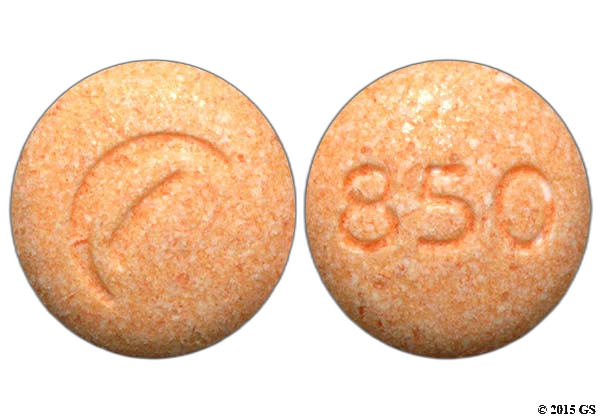
What is INTUNIV XR?
INTUNIV XR 3 MG contains GUANFACINE (GUANFACINE HYDROCHLORIDE) : 3 MG. It is listed in the Health Canada Drug Product Database under DIN 02409127, held by TAKEDA CANADA INC, supplied as TABLET (EXTENDED-RELEASE) for ORAL administration. Health Canada currently lists it as marketed, status dated 01-Sep-2021. Nexara Health is a licensed Canadian wholesale distributor (DEL 3-002896-A) and can source this product for hospitals, pharmacies and clinics. Availability and lead time are confirmed per order.
What is INTUNIV XR used for?
INTUNIV XR (guanfacine hydrochloride extended-release tablets) is indicated as: • monotherapy for the treatment of Attention Deficit Hyperactivity Disorder (ADHD) in children and adolescents aged 6 to 17 years. • adjunctive therapy to psychostimulants for the treatment of ADHD in children and adolescents, aged 6 to 17 years, with a sub-optimal response to psychostimulants. Need for Comprehensive Treatment Program INTUNIV XR is indicated as an integral part of a total treatment program for ADHD that may include other measures (psychological, educational/vocational, social) for patients with this syndrome. Drug treatment may not be indicated for all patients with this syndrome. Drug treatment is not intended for use in a patient who exhibits symptoms secondary to environmental factors and/or other primary psychiatric disorders, including psychosis. Appropriate educational/vocational placement is essential for patients with this diagnosis and psychosocial intervention is often helpful. When remedial measures alone are insufficient, the decision to prescribe drug treatment will depend upon the physician's assessment of the chronicity and severity of the child's symptoms and on the level of functional impairment. Long-term Use The effectiveness of INTUNIV XR for long-term use, i.e., for more than 9 weeks in 6-12 year olds and more than 15 weeks in 13-17 year olds, has not been systematically evaluated in controlled monotherapy trials, nor has it been systematically evaluated in controlled adjunctive trials for longer than 9 weeks in 6-17 year olds. Therefore the physician electing to use INTUNIV XR for extended periods should periodically re-evaluate the long-term usefulness of the drug for the individual patient.
Authorized indication as written in the Health Canada product monograph. For healthcare professionals and licensed purchasers; this is not medical advice.
How much does Guanfacine cost around the world?
Guanfacine is listed on 4 of the national price registers Nexara ingests. Each country publishes on a different basis, so figures are not comparable with one another — or with a Canadian wholesale price.
What a market publishes matters more than the number it publishes. Australia publishes a ex-manufacturer; Iceland publishes a max wholesale; Morocco publishes a PPV (public price). Comparing an ex-factory ceiling against a pharmacy public price tells you nothing about either, and comparing either against a Canadian landed cost tells you less.
| Market | Price basis published there | Brands | Packs listed |
|---|---|---|---|
| United States | acquisition | 2 | 31 |
| Iceland | max wholesale | 3 | 13 |
| Australia | ex-manufacturer | 3 | 12 |
| Morocco | PPV (public price) | 1 | 1 |
57 pack listings across 9 brand entries and 4 price bases, refreshed 10 Sep 2026. Ranges span every Guanfacine pack in that market, so a high figure is usually a larger pack rather than the same product.
Canada publishes no comparable public list price. For a delivered Canadian price on a licensed account, verify your licence — it takes about a minute.
Is there a generic Guanfacine in Canada, and who makes it?
Every market authorization holder with a Canadian DIN for this molecule, and how many of their listings Health Canada currently shows as marketed.
5 holders have a Canadian DIN containing Guanfacine, across 19 DINs, of which 19 are currently marketed. Marketed count is the number that matters: an approval that is not marketed cannot be bought.
| Market authorization holder | DINs | Marketed | Brand names | Position |
|---|---|---|---|---|
| ANGITA PHARMA INC. | 4 | 4 | AG-GUANFACINE XR | Sourceable in Canada |
| APOTEX INC | 4 | 4 | APO-GUANFACINE XR | Sourceable in Canada |
| PRO DOC LIMITEE | 4 | 4 | PRO-GUANFACINE XR | Sourceable in Canada |
| TAKEDA CANADA INC | 4 | 4 | INTUNIV XR | Sourceable in Canada |
| JAMP PHARMA CORPORATION | 3 | 3 | JAMP GUANFACINE XR | Sourceable in Canada |
Health Canada’s Drug Product Database does not flag which listing is the originator and which are subsequent-entry products, so Nexara does not label them here. Interchangeability is determined provincially, not federally — confirm for your province before a formulary switch. Nexara can confirm which of these is actually obtainable, and on what lead time, per order.
How is it supplied and stored?
Pack configuration, storage class and the handling constraints that drive cold-chain planning. One DIN can cover more than one pack size, and the pack — not the DIN — is what gets priced, shipped and invoiced.
| Strength on the label | 3 MG |
|---|---|
| Dosage form | TABLET (EXTENDED-RELEASE) |
| Route | ORAL |
| Pack configuration (monograph) | INTUNIV XR tablets 1 mg: white/off-white, round (debossed on top 503/on bottom 1MG), bottles of 100. INTUNIV XR tablets 2 mg: white/off-white, oblong (debossed on top 503/on bottom 2MG), bottles of 100. INTUNIV XR tablets 3 mg: green, round (debossed on top 503/on bottom 3MG), bottles of 100. INTUNIV XR tablets 4 mg: green, oblong (debossed on top 503/on bottom 4MG), bottles of 100. |
| Storage | Store at 25°C (77°F); excursions permitted from 15° to 30°C (59° to 86°F). Keep out of reach and sight of children. Any unused medicinal product should be disposed of in accordance with local requirements. |
Before an order line is unambiguous Nexara needs the strength, the pack size and the presentation.
Substance and classification
| Active substance | Guanfacine |
|---|---|
| ATC code | C02AC02 |
| AHFS class | 24:08.16 |
| Biosimilar biologic | No |
Health Canada record and identifiers
The regulatory facts straight from the Drug Product Database, plus every identifier form Nexara accepts on a purchase order. A DIN written without its leading zeros is the commonest reason an order line fails to match.
| DIN (8-digit, as used in ordering) | 02409127 |
|---|---|
| DIN (unpadded, as printed on some documents) | 2409127 |
| Brand name | INTUNIV XR |
| Generic / active ingredient | GUANFACINE (GUANFACINE HYDROCHLORIDE) : 3 MG |
| Market authorization holder | TAKEDA CANADA INC |
| Health Canada schedule | Prescription |
| ATC code | C02AC02 |
| ATC anatomical main group | C — Cardiovascular system |
| ATC therapeutic subgroup | C02AC |
| Current status | MARKETED |
| Status date | 01-Sep-2021 |
| Original market date | 2013-08-06 00:00:00 |
| Status source | Live Health Canada DPD sync |
Verify on the primary sources
How is it administered?
The tablets should not be administered with high-fat meals, due to increased exposure. Do not substitute for immediate-release guanfacine tablets on a milligram for milligram basis, because of differing pharmacokinetic profiles. The safety and efficacy of INTUNIV XR in pediatric patients less than 25 kg/55 lbs in weight have not been studied. Heart rate and blood pressure should be monitored at baseline, after dose adjustments, periodically during treatment and following drug discontinuation. Advise patients that sedation can occur, particularly early in treatment or with dose increases. If sedation is judged to be clinically concerning or persistent, a dose decrease or discontinuation should be considered. Recommended Dose and Dosage Adjustment (Children 6-17 years old): The recommended starting dose for both INTUNIV XR monotherapy and adjunct therapy to psychostimulants is 1 mg, taken orally once a day (morning or evening). The dose should be adjusted, depending on clinical response and tolerability, in increments of no more than 1 mg per week up to a maximum daily dose of 4 mg (6-12 years) or 7 mg (13-17 years), for monotherapy and up to a maximum daily dose of 4 mg for adjunctive therapy to psychostimulants. The recommended dose range, depending on clinical response and tolerability for INTUNIV XR, is 0.05-0.12 mg/kg/day (total daily dose 1-7 mg). Administration: INTUNIV XR is an extended-release tablet and should be dosed once daily. Tablets should not be crushed, chewed or broken before swallowing because this will increase the rate of guanfacine release. The initial starting dose for INTUNIV XR as an adjunctive therapy with psychostimulants is 1 mg, taken orally once a day; evening dosing may be considered. Missed Dose: If two or more consecutive doses are missed, re-titration is recommended based on the patient's tolerability to INTUNIV XR. Discontinuing Treatment: Patients/caregivers should be instructed not to discontinue INTUNIV XR without consulting their physician. The total daily dose should be tapered in decrements of no more than 1 mg every 3 to 7 days to minimize the risk of an increase in blood pressure upon discontinuation. Patients should be monitored during dose downward titration and following INTUNIV XR discontinuation until blood pressure and heart rate have returned to baseline.
Included because it drives pack selection and wastage. Consult the monograph.
Contraindications
INTUNIV XR is contraindicated in patients with a history of hypersensitivity to this drug, to any ingredient in the formulation, to any other product containing guanfacine, or component of the container.
Warnings and precautions
Somnolence and Sedation: Sedative events, especially during initial use, were commonly reported adverse reactions in clinical trials. INTUNIV XR should be dosed based on clinical response and tolerability. Advise patients that sedation can occur, particularly early in treatment or with dose increases. If sedation is judged to be clinically concerning or persistent, a dose decrease or discontinuation should be considered. Before INTUNIV XR is used with other centrally active depressants (such as phenothiazines, barbiturates, or benzodiazepines), the potential for additive sedative effects should be considered. Patients should avoid use with alcohol. Cardiovascular: INTUNIV XR can cause syncope and dose-dependent decreases in heart rate and blood pressure (systolic and diastolic). Measurements of heart rate and blood pressure should be performed prior to initiating therapy, following dose adjustments, periodically during treatment and following drug discontinuation. Caution is advised if using INTUNIV XR in patients who have a history of hypotension, heart block, bradycardia, or other cardiovascular disease (e.g., arrhythmia, sick sinus syndrome, ischemic heart disease, congestive heart failure, or congenital long QT syndrome), as INTUNIV XR can decrease blood pressure and heart rate. Caution is advised when treating patients with INTUNIV XR who have a history of syncope or a condition that may predispose them to syncope, such as hypotension, orthostatic hypotension, bradycardia, or dehydration. Caution is advised when treating patients with INTUNIV XR who are being treated concomitantly with antihypertensives or other drugs that reduce blood pressure or heart rate, QT prolonging drugs, and drugs that increase the risk of syncope. Patients/caregivers should be advised that patients should avoid becoming dehydrated or overheated. Elevated Blood Pressure and Heart Rate Upon Discontinuation: Patients/caregivers should be instructed not to discontinue INTUNIV XR without consulting their physician since elevations in blood pressure and heart rate above original baseline (i.e., rebound) have been reported. In post-marketing experience, hypertensive encephalopathy has been very rarely reported upon abrupt discontinuation of INTUNIV XR. To minimize the risk of an increase in blood pressure upon discontinuation, the total daily dose of INTUNIV XR should be tapered in decrements of no more than 1 mg every 3 to 7 days. Patients should be monitored during dose downward titration and following INTUNIV XR discontinuation until blood pressure and heart rate have returned to baseline. Patients/caregivers should be informed about the risk of persistent hypertension following discontinuation, how to identify signs and symptoms (e.g. headaches, feeling confused, nervousness, agitation, and tremors) and to seek immediate medical care. Because of the psychostimulant potential for increasing blood pressure and heart rate, there is a theoretical increased risk of rebound or a risk of greater rebound when discontinuing INTUNIV XR treatments in patients on adjunctive therapy. Caution is warranted if a patient stops INTUNIV XR while maintaining its psychostimulant therapy. Use caution when prescribing drugs that can elevate blood pressure and heart rate immediately following INTUNIV XR discontinuation. QTc Interval: QTc increase (placebo-adjusted mean change from baseline approximately 5 msec) has been observed in patients aged 6-17 years with ADHD receiving therapeutic doses of INTUNIV XR at steady-state. In clinical trials of INTUNIV XR in ADHD patients, there were no reports of torsade de pointes. Given the effect of INTUNIV XR on cardiac electrophysiology, consider this observation in clinical decisions to prescribe INTUNIV XR to patients with a known history of QT prolongation, risk factors for torsades de pointes (e.g. heart block, bradycardia, hypokalemia) or patients who are taking medications known to prolong the QT interval. Psychiatric: Ad
What can be used instead?
Alternatives on every axis a buyer actually considers — the same molecule in another presentation, the same class, an adjacent class, or a fixed-dose combination. Every row is led by the marketed DIN count, because that is what can be bought this week.
1 · Same molecule, other Canadian presentations
19 of 19 Canadian DINs for this molecule are currently marketed. Marketed products are listed first.
| Product | Strength | Form | Holder | Health Canada status | DIN |
|---|---|---|---|---|---|
| AG-GUANFACINE XR | 3 MG | TABLET (EXTENDED-RELEASE) | ANGITA PHARMA INC. | MARKETED | 02525143 |
| AG-GUANFACINE XR | 2 MG | TABLET (EXTENDED-RELEASE) | ANGITA PHARMA INC. | MARKETED | 02525135 |
| AG-GUANFACINE XR | 1 MG | TABLET (EXTENDED-RELEASE) | ANGITA PHARMA INC. | MARKETED | 02525127 |
| AG-GUANFACINE XR | 4 MG | TABLET (EXTENDED-RELEASE) | ANGITA PHARMA INC. | MARKETED | 02525151 |
| APO-GUANFACINE XR | 2 MG | TABLET (EXTENDED-RELEASE) | APOTEX INC | MARKETED | 02523736 |
| APO-GUANFACINE XR | 4 MG | TABLET (EXTENDED-RELEASE) | APOTEX INC | MARKETED | 02523752 |
| APO-GUANFACINE XR | 1 MG | TABLET (EXTENDED-RELEASE) | APOTEX INC | MARKETED | 02523728 |
| APO-GUANFACINE XR | 3 MG | TABLET (EXTENDED-RELEASE) | APOTEX INC | MARKETED | 02523744 |
| INTUNIV XR | 1 MG | TABLET (EXTENDED-RELEASE) | TAKEDA CANADA INC | MARKETED | 02409100 |
| INTUNIV XR | 2 MG | TABLET (EXTENDED-RELEASE) | TAKEDA CANADA INC | MARKETED | 02409119 |
2 · Same class — other molecules in ATC C02AC
| Molecule | Canadian brands | DINs | Marketed | Sourceable |
|---|---|---|---|---|
| Guanfacine | AG-GUANFACINE XR · APO-GUANFACINE XR · INTUNIV XR · JAMP GUANFACINE XR · +1 more | 19 | 19 | Yes |
| Clonidine | APO-CLONIDINE · APO-CLONIDINE TAB 0.1MG · APO-CLONIDINE TAB 0.2MG · CATAPRES TAB 0.1MG · +13 more | 31 | 14 | Yes |
A molecule with zero marketed DINs cannot be sourced domestically, however many approvals it holds — if one of these sits on a formulary or in an older protocol, that is the line to check.
3 · Adjacent classes in ATC C02A
| ATC subgroup | Molecules | DINs | Marketed |
|---|---|---|---|
| C02AB | Methyldopa (Levorotatory) · Methyldopa (Racemic) | 23 | 3 |
| C02AA | Reserpine | 2 | 0 |
Not clinical advice. These tables describe what can be supplied in Canada, not what should be prescribed. Substitution within or across classes is a prescriber and pharmacist decision, and interchangeability is determined provincially.
What else is INTUNIV XR called?
Also recorded in Canada as: Intuniv (US), Intuniv (EU), Intuniv (UK), Tenex (US), Guanfacine (GLOBAL), Guanfacine (US), Guanfacine (UK), Guanfacine Hydrochloride (JP), Estulic (EU).
The same molecule, Guanfacine, is registered under other names elsewhere. Buyers and prescribers searching from outside Canada — or working from a foreign prescription or tender document — often know it by one of these:
| Name | Script | Registered in |
|---|---|---|
| Intuniv | Latin | Australia, Iceland |
| Paxneury | Latin | Iceland |
| Guanfacine Sandoz | Latin | Australia |
| Guanfacine Viatris | Latin | Australia |
| ESTULIC | Latin | Morocco |
| Guanfacine | Latin | Iceland |
Names are taken from national medicine registers and published price lists. A product registered abroad is not authorized for sale in Canada unless it holds its own DIN; import is possible only through the routes Health Canada permits.
What is Guanfacine called in other languages?
Buyers, prescribers and procurement teams outside Canada often search for the ingredient in their own script. These are phonetic renderings of the ingredient name Guanfacine, published to help those searches reach this page.
| Language | Guanfacine |
|---|---|
| Russian Русский | Гуанфацин |
| Spanish Español | Guanfacina |
| French Français | Guanfacine |
| Portuguese Português | Guanfacina |
| German Deutsch | Guanfacin |
| Japanese 日本語 | グアンファシン |
These are transliterations of the ingredient name, generated automatically and published only where two independent checks agreed. They are not registered local trade names and carry no marketing authorisation in any market. Always confirm a product against its local registration before ordering.
How can I get it?
Nexara Health supplies this product to licensed Canadian buyers — pharmacies, hospitals, clinics, licensed distributors, and clinical trial sponsors or their CROs. We confirm stock, pack size, expiry and pricing at the time of quotation. If the product is on backorder or in shortage, we identify equivalent alternatives and import options where permitted.
Ordering questions
Who can buy this from Nexara?
Licensed entities only. Nexara holds Health Canada establishment licence DEL 3-002896-A and ships only to a licensed address. Patients and unlicensed buyers are routed to a partner pharmacy.
Is there a minimum order?
Yes, set per product line and per pack multiple rather than on the order total, so you are never asked to buy a part-pack. The minimum for this line is confirmed with your quote.
What is the lead time?
Confirmed per order at quotation, and it depends on current stock position and whether the product is in shortage.
Why is there no price on this page?
Nexara quotes a delivered Canadian price per order, against a verified licence. Foreign list prices are published on incompatible bases and are not a guide to what any buyer can obtain here, so this page shows which markets list the molecule and on what basis, and nothing more.
Can Nexara supply this for a clinical trial?
Yes — comparator and background-therapy supply, including sourcing from other markets where a Canadian pack will not satisfy the protocol. Clinical trial supply.