PHENOBARB 30 MG
PHENOBARBITAL : 30 MG · DIN 00178802 · PENDOPHARM DIVISION OF PHARMASCIENCE INC
Health Canada status: MARKETED
What is PHENOBARB?
PHENOBARB 30 MG contains PHENOBARBITAL : 30 MG. It is listed in the Health Canada Drug Product Database under DIN 00178802, held by PENDOPHARM DIVISION OF PHARMASCIENCE INC, supplied as TABLET for ORAL administration. Health Canada currently lists it as marketed, status dated 04-Sep-2026. Nexara Health is a licensed Canadian wholesale distributor (DEL 3-002896-A) and can source this product for hospitals, pharmacies and clinics. Availability and lead time are confirmed per order.
What is PHENOBARB used for?
As a sedative, for the relief of anxiety, tension and apprehension. As a hypnotic, for the short-term management of insomnia. As an anticonvulsant, for the long-term treatment of generalized tonicoclonic and partial (cortical focal) seizures. As prophylaxis and treatment of febrile seizures. As an antihyperbilirubinemic, for the prevention and treatment of hyperbilirubinemia in neonates, also to lower bilirubin concentrations in patients with congenital non-hemolytic unconjugated hyperbilirubinemia or chronic intrahepatic cholestasis.
Authorized indication as written in the Health Canada product monograph. For healthcare professionals and licensed purchasers; this is not medical advice.
Product details and regulatory record
| DIN | 00178802 |
|---|---|
| Brand name | PHENOBARB |
| Generic / active ingredient | PHENOBARBITAL : 30 MG |
| Manufacturer | PENDOPHARM DIVISION OF PHARMASCIENCE INC |
| Strength | 30 MG |
| Dosage form | TABLET |
| Route of administration | ORAL |
| Schedule | CONTROLLED DRUGS (CDSA IV) |
| ATC code | N03AA02 PHENOBARBITAL |
| AHFS class | 28:12.04 ; 28:24.04 |
| Biosimilar | No |
| Health Canada status | MARKETED |
| Status date | 04-Sep-2026 |
| Original market date | 1957-12-31 00:00:00 |
How is it administered?
PHENOBARB Tablets are administered orally. Sedative: Adults (≥18 years): 15 to 30 mg, 2 or 3 times a day. Children (<18 years): 2 mg/kg or 60 mg/m² of body surface 3 times a day. Hypnotic: Adults (≥18 years): 100 to 200 mg at bedtime. Anticonvulsant: Adults (≥18 years): 50 to 100 mg, 2 or 3 times a day Children (<18 years): 15 to 50 mg, 2 or 3 times a day The usual adult dosage ranges from 30 to 600 mg daily. PHENOBARB ELIXIR is administered orally. Sedative: Adults (≥18 years): 4 to 8 mL, 2 or 3 times a day.
Included because it drives pack selection and wastage. Consult the monograph.
How is it stored and handled?
Store at room temperature (15°C to 30°C). Keep out of reach and sight of children.
How is it supplied?
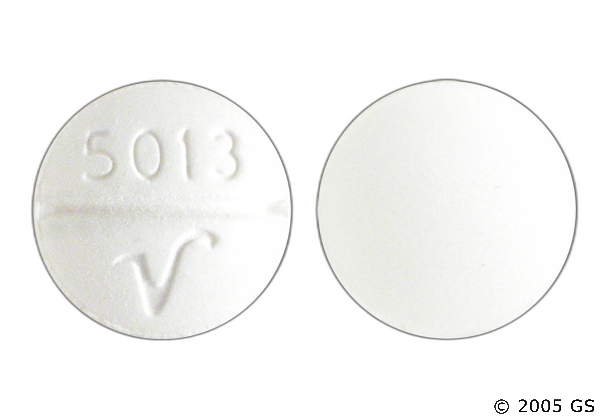
Tablets: White, round, biconvex tablets which are debossed with 'PH' on one side and '15', '30', '60' or '100' on the other side. Available in bottles of 500 tablets. Elixir: Clear red liquid. Available in bottles of 100 mL.
Contraindications
Phenobarbital is contraindicated in patients: • who are known to be hypersensitive to barbituric acid derivatives, any ingredient in the formulation or component of the container, • with porphyria, • with severe respiratory depression or pulmonary insufficiency, renal impairment, hepatic impairment, sleep apnea, suicidal potential, alcoholism, drug dependence or in the presence of uncontrolled pain (paradoxical excitement may be produced). With the exception of phenobarbital, barbiturates should be avoided in older individuals.
Warnings and precautions
Administer with caution to pregnant women, myxedema, myasthenia gravis, patients with central nervous system depression, hypotension, severe anemia, hemorrhagic shock, cardiac, hepatic or renal impairment, asthma, diabetes mellitus, hyperkinesis tendencies. Concomitant use of the following drugs should be avoided because of likely occurrence of adverse effects: alcohol, anaesthetics and CNS depressants and to a lesser extent, acetaminophen, oral anticoagulants, carbamazepine, oral contraceptives, estrogens, corticosteroids, digitalis, digitoxin, tricyclic antidepressants, cyclophosphamide, doxycycline, griseofulvin, monoamine oxidase inhibitors, phenytoin, quinidine, sodium valproate, valproic acid and vitamin D. Phenobarbital should not be discontinued in patients in whom the drug is administered to prevent seizures, because of the strong possibility of precipitating status epilepticus with attendant hypoxia and risk to both the mother and the unborn child. With regard to drugs given for minor seizures, the risk of discontinuing medication prior to or during pregnancy should be weighed against the risk of congenital defects in the particular case and with the particular family history. Lower doses are required in elderly and debilitated patients in order to preclude oversedation. Prolonged use of phenobarbital, even at therapeutic dosages, may result in psychologic and physiologic dependence. Patients may escalate dosage without medical advice. Withdrawal symptoms may occur following abrupt termination of hypnotic doses causing nightmares or insomnia, sweating, irritability, tremor, weight loss, anorexia or after chronic use of large doses, resulting in delirium, seizures, or death. Withdrawal should be cautious and gradual. Rarely, rickets and osteomalacia have been reported following prolonged usage of phenobarbital due to increased metabolism of vitamin D (see ADVERSE REACTIONS, Bone Disorders). Phenobarbital should be used with caution in patients with impaired liver function or in patients with a history of drug dependence or abuse. Caution is essential when the drug is administered in the presence of any respiratory difficulty. Special care should be taken when phenobarbital is administered to patients in whom the hypnotic effect may be prolonged or intensified, as in those suffering from shock, hepatic dysfunction, uremia, or after recent administration of other respiratory depressants. Serious Dermatological Reactions: Serious and sometimes fatal dermatologic reactions, including Stevens-Johnson syndrome (SJS) and Toxic Epidermal Necrolysis (TEN), have been reported with phenobarbital. Post-marketing reporting rate is generally accepted to be an underestimate due to under-reporting. Recurrence of serious skin reactions following re-challenge with phenobarbital has also been reported. Therefore, if a patient develops a skin reaction during phenobarbital treatment, consideration should be given to permanent discontinuation and replacement of the drug with alternative treatment (see ADVERSE REACTIONS). Drug Reaction with Eosinophilia and Systemic Symptoms: Multi-organ hypersensitivity reactions, also known as drug reaction with eosinophilia and systemic symptoms (DRESS), have occurred with the use of phenobarbital. Some have been fatal or life-threatening. DRESS typically, although not exclusively, presents with fever, rash, and/or lymphadenopathy in association with other organ system involvement, such as hepatitis, nephritis, hematologic abnormalities, aseptic meningitis, myocarditis, or myositis, sometimes resembling an acute viral infection. Eosinophilia is often present. This disorder is variable in its expression and other organ systems not noted here may be involved. The syndrome shows a wide spectrum of clinical severity and may rarely lead to disseminated intravascular coagulation (DIC) and multi-organ failure (see ADVERSE REACTIONS). It is important to note that early manifestations of hypersensitivity (e.g. fe
What can be used instead?
Other Canadian products sharing ATC code N03AA02 PHENOBARBITAL. 11 of 30 DINs in this group are currently marketed — marketed products are listed first, because that is what can actually be bought. These tables describe supply, not clinical equivalence: substitution rests with the prescriber or pharmacist, and interchangeability is determined provincially.
| Product | Strength | Form | Manufacturer | Health Canada status | DIN |
|---|---|---|---|---|---|
| JAMP PHENOBARBITAL | 100 MG | TABLET | JAMP PHARMA CORPORATION | MARKETED | DIN 02557819 |
| JAMP PHENOBARBITAL | 15 MG | TABLET | JAMP PHARMA CORPORATION | MARKETED | DIN 02557789 |
| JAMP PHENOBARBITAL | 30 MG | TABLET | JAMP PHARMA CORPORATION | MARKETED | DIN 02557797 |
| JAMP PHENOBARBITAL | 60 MG | TABLET | JAMP PHARMA CORPORATION | MARKETED | DIN 02557800 |
| PHENOBARB | 100 MG | TABLET | PENDOPHARM DIVISION OF PHARMASCIENCE INC | MARKETED | DIN 00178829 |
| PHENOBARB | 15 MG | TABLET | PENDOPHARM DIVISION OF PHARMASCIENCE INC | MARKETED | DIN 00178799 |
| PHENOBARB | 60 MG | TABLET | PENDOPHARM DIVISION OF PHARMASCIENCE INC | MARKETED | DIN 00178810 |
| PHENOBARB ELIXIR | 5 MG | SOLUTION | PENDOPHARM DIVISION OF PHARMASCIENCE INC | MARKETED | DIN 00645575 |
| PHENOBARBITAL SODIUM INJECTION, USP | 120 MG | SOLUTION | SANDOZ CANADA INCORPORATED | MARKETED | DIN 02304090 |
| PHENOBARBITAL SODIUM INJECTION, USP | 30 MG | SOLUTION | SANDOZ CANADA INCORPORATED | MARKETED | DIN 02304082 |
Who else supplies PHENOBARBITAL worldwide?
Nexara tracks national medicine registries and published price lists across multiple markets. PHENOBARBITAL appears in 41 registered pack listings across 10 markets, published on 9 different national price bases. Where a Canadian route is closed, that is where an alternative route of supply starts — subject to the import rules in both countries.
Registered listings are not stock. Ask us to confirm what can actually be sourced for your order.
How can I get it?
Nexara Health supplies this product to licensed Canadian buyers — pharmacies, hospitals, clinics, licensed distributors, and clinical trial sponsors or their CROs. We confirm stock, pack size, expiry and pricing at the time of quotation. If the product is on backorder or in shortage, we identify equivalent alternatives and import options where permitted.
Ordering questions
Who can buy this from Nexara?
Licensed entities only. Nexara holds Health Canada establishment licence DEL 3-002896-A and ships only to a licensed address.
Is there a minimum order?
Yes, set per product line and per pack multiple rather than on the order total, so you are never asked to buy a part-pack. The minimum for this line is confirmed with your quote.
What is the lead time?
Confirmed per order at quotation, and it depends on current stock position and whether the product is in shortage.
Can Nexara supply this for a clinical trial?
Yes — comparator and background-therapy supply, including sourcing from other markets where a Canadian pack will not satisfy the protocol. Clinical trial supply.