SAPHRIS 5 MG
ASENAPINE (ASENAPINE MALEATE) : 5 MG · DIN 02374803 · ORGANON CANADA INC.
Health Canada status: MARKETED
What is SAPHRIS?
SAPHRIS 5 MG contains ASENAPINE (ASENAPINE MALEATE) : 5 MG. It is listed in the Health Canada Drug Product Database under DIN 02374803, held by ORGANON CANADA INC., supplied as TABLET for SUBLINGUAL administration. Health Canada currently lists it as marketed, status dated 19-Apr-2022. Nexara Health is a licensed Canadian wholesale distributor (DEL 3-002896-A) and can source this product for hospitals, pharmacies and clinics. Availability and lead time are confirmed per order.
What is SAPHRIS used for?
SAPHRIS® (asenapine) sublingual tablet is indicated for the treatment of schizophrenia. SAPHRIS® is indicated for the acute treatment of manic or mixed episodes associated with bipolar I disorder. SAPHRIS® may be used as acute monotherapy or co-therapy with lithium or divalproex sodium. Physicians who elect to use SAPHRIS® for extended periods should periodically re-evaluate the long-term risks and benefits of the drug for the individual patient.
Authorized indication as written in the Health Canada product monograph. For healthcare professionals and licensed purchasers; this is not medical advice.
Product details and regulatory record
| DIN | 02374803 |
|---|---|
| Brand name | SAPHRIS |
| Generic / active ingredient | ASENAPINE (ASENAPINE MALEATE) : 5 MG |
| Manufacturer | ORGANON CANADA INC. |
| Strength | 5 MG |
| Dosage form | TABLET |
| Route of administration | SUBLINGUAL |
| Schedule | Prescription |
| ATC code | N05AH05 ASENAPINE |
| AHFS class | 28:16.08.04 |
| Biosimilar | No |
| Health Canada status | MARKETED |
| Status date | 19-Apr-2022 |
| Original market date | 2011-12-19 00:00:00 |
How is it administered?
SAPHRIS® is a sublingual tablet. To ensure optimal absorption, patients should be instructed to place the tablet under the tongue and allow it to dissolve completely. The tablet will dissolve in saliva within seconds. SAPHRIS® sublingual tablets should not be crushed, chewed, or swallowed. To allow sublingual absorption, patients should be instructed to not eat or drink for 10 minutes after administration of SAPHRIS®. The recommended starting and target dose of SAPHRIS® for schizophrenia is 5 mg given twice daily. The safety of doses above 10 mg twice daily has not been evaluated in clinical studies in schizophrenia. For bipolar disorder, the recommended starting dose is 5 mg twice daily. The dose can be increased to 10 mg twice daily, based on individual clinical response and tolerability. If a tablet is missed, it should be taken as soon as possible. If it is too close to the time of the next dose, only the prescribed dose should be taken at the appointed time. A double dose should not be taken. When taking SAPHRIS® at the same time as other oral medication, SAPHRIS® should be taken last and only after having swallowed the other medication and had your drink of water or other liquids.
Included because it drives pack selection and wastage. Consult the monograph.
How is it stored and handled?
Store at 2° C to 30° C. Store in the original package. The tablet should not be removed from the blister until ready to take it. Keep out of the reach of children. Do not use after the expiry date.
How is it supplied?
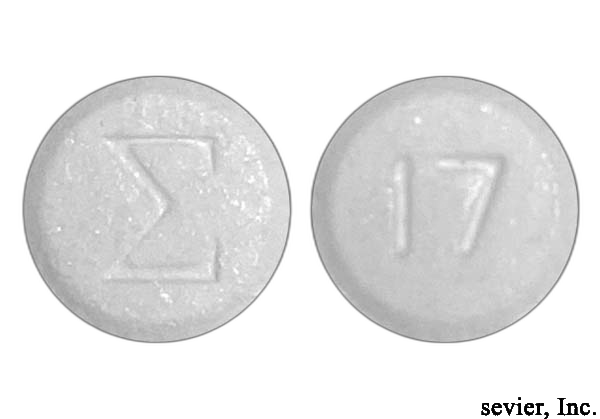
5 mg: Round, white to off-white, fast dissolving, sublingual tablets debossed with “5” on one side. Peelable aluminium blister strips in cartons of 60 sublingual tablets per carton. 10 mg: Round, white to off-white, fast dissolving, sublingual tablets debossed with “10” on one side. Peelable aluminium blister strips in cartons of 60 sublingual tablets per carton.
Contraindications
SAPHRIS® is contraindicated in patients with a known hypersensitivity to asenapine or to any ingredient in the formulation. Hypersensitivity reactions, including anaphylaxis and angioedema, have been observed.
Warnings and precautions
Increased Mortality in Elderly Patients with Dementia: Elderly patients with dementia treated with atypical antipsychotic drugs are at an increased risk of death compared to placebo. SAPHRIS® is not indicated for the treatment of patients with dementia-related psychosis. Hypersensitivity Reactions: Anaphylaxis and angioedema have been observed, sometimes after the first dose. Symptoms include difficulty breathing, itching, swelling of the face, tongue, throat, or feeling lightheaded. Patients should seek immediate emergency assistance if these symptoms occur. Body temperature regulation: Appropriate care is advised for patients who will be experiencing conditions that may contribute to an elevation in core body temperature. Falls: Asenapine may cause adverse effects such as somnolence, orthostatic hypotension, motor and sensory instability, dizziness and extrapyramidal symptoms, which may lead to falls. Complete fall risk assessments are recommended. Hyperglycaemia and Diabetes Mellitus: Hyperglycaemia or exacerbation of pre-existing diabetes has been reported. Baseline and periodic monitoring of blood glucose and body weight are advised. Hyperprolactinemia: SAPHRIS® can elevate prolactin levels, which may suppress hypothalamic GnRH and inhibit reproductive function. Leukopenia, Neutropenia, and Agranulocytosis: Events have been reported. Patients with pre-existing low WBC or history of drug-induced leukopenia/neutropenia should have CBC monitored frequently. Venous thromboembolism (VTE): VTE, including fatal pulmonary embolism, has been reported. Potential risk factors for VTE should be identified and preventative measures undertaken. Neuroleptic Malignant Syndrome (NMS): A potentially fatal symptom complex has been reported. Management includes immediate discontinuation of antipsychotics and intensive symptomatic treatment. Tardive Dyskinesia: A syndrome of potentially irreversible, involuntary, dyskinetic movements can develop. Chronic antipsychotic treatment should generally be reserved for patients with chronic illness responsive to antipsychotics. Seizures: Use with caution in patients with a history of seizure disorder. Potential for Cognitive and Motor Impairment: Patients should be cautioned about operating machinery. Suicide: The possibility of a suicide attempt is inherent in psychotic illnesses and bipolar disorder; close supervision of high-risk patients is necessary.
What can be used instead?
Other Canadian products sharing ATC code N05AH05 ASENAPINE. 3 of 3 DINs in this group are currently marketed — marketed products are listed first, because that is what can actually be bought. These tables describe supply, not clinical equivalence: substitution rests with the prescriber or pharmacist, and interchangeability is determined provincially.
| Product | Strength | Form | Manufacturer | Health Canada status | DIN |
|---|---|---|---|---|---|
| MINT-OLANZAPINE ODT | 5 MG | TABLET (ORALLY DISINTEGRATING) | MINT PHARMACEUTICALS INC | MARKETED | DIN 02436965 |
| SAPHRIS | 10 MG | TABLET | ORGANON CANADA INC. | MARKETED | DIN 02374811 |
How can I get it?
Nexara Health supplies this product to licensed Canadian buyers — pharmacies, hospitals, clinics, licensed distributors, and clinical trial sponsors or their CROs. We confirm stock, pack size, expiry and pricing at the time of quotation. If the product is on backorder or in shortage, we identify equivalent alternatives and import options where permitted.
Ordering questions
Who can buy this from Nexara?
Licensed entities only. Nexara holds Health Canada establishment licence DEL 3-002896-A and ships only to a licensed address.
Is there a minimum order?
Yes, set per product line and per pack multiple rather than on the order total, so you are never asked to buy a part-pack. The minimum for this line is confirmed with your quote.
What is the lead time?
Confirmed per order at quotation, and it depends on current stock position and whether the product is in shortage.
Can Nexara supply this for a clinical trial?
Yes — comparator and background-therapy supply, including sourcing from other markets where a Canadian pack will not satisfy the protocol. Clinical trial supply.