PREMARIN VAGINAL CREAM 0.625 MG
CONJUGATED ESTROGENS 0.625 MG · DIN 02043440 · PFIZER CANADA ULC
Health Canada status: MARKETED
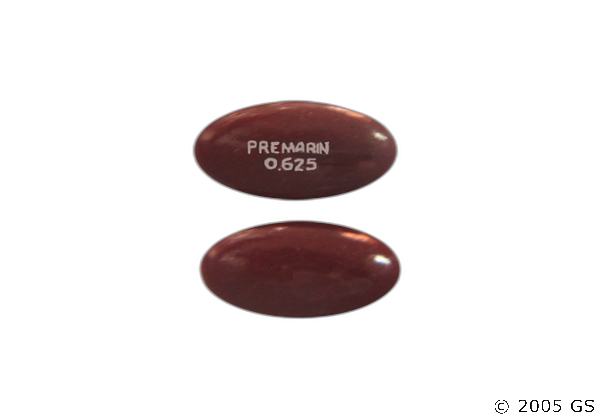
What is PREMARIN VAGINAL CREAM?
PREMARIN VAGINAL CREAM 0.625 MG contains CONJUGATED ESTROGENS 0.625 MG. It is listed in the Health Canada Drug Product Database under DIN 02043440, held by PFIZER CANADA ULC, supplied as Cream for Vaginal administration. Health Canada currently lists it as marketed, status dated 19-Jun-2012. Nexara Health is a licensed Canadian wholesale distributor (DEL 3-002896-A) and can source this product for hospitals, pharmacies and clinics. Availability and lead time are confirmed per order.
What is PREMARIN VAGINAL CREAM used for?
Premarin® Vaginal Cream is indicated in the treatment of atrophic vaginitis, dyspareunia, and kraurosis vulvae. Premarin® Vaginal Cream should be prescribed with an appropriate dose of a progestin for women with intact uteri in order to prevent endometrial hyperplasia/carcinoma. Geriatrics (> 65 years of age): See above indications. Pediatrics (< 16 years of age): Premarin® Vaginal Cream is not indicated for use in children.
Authorized indication as written in the Health Canada product monograph. For healthcare professionals and licensed purchasers; this is not medical advice.
Product details and regulatory record
| DIN | 02043440 |
|---|---|
| Brand name | PREMARIN VAGINAL CREAM |
| Generic / active ingredient | CONJUGATED ESTROGENS 0.625 MG |
| Manufacturer | PFIZER CANADA ULC |
| Strength | 0.625 MG |
| Dosage form | Cream |
| Route of administration | Vaginal |
| Schedule | PRESCRIPTION |
| ATC code | G03CA57 CONJUGATED ESTROGENS |
| AHFS class | 68:16.04 |
| Biosimilar | No |
| Health Canada status | MARKETED |
| Status date | 19-Jun-2012 |
| Original market date | 1994-12-31 00:00:00 |
How is it administered?
Premarin® Vaginal Cream should be administered cyclically for short-term use only for the treatment of atrophic vaginitis, dyspareunia or kraurosis vulvae. Premarin® Vaginal Cream should be instituted at the lowest effective dosage, and the need for continued estrogen therapy should be re-evaluated regularly. For maintenance therapy one should always use the lowest dose that still proves effective. The requirement for hormone replacement therapy for menopausal symptoms should be reassessed periodically. Low Dose: Premarin® Vaginal Cream (0.5g) is administered intravaginally or topically twice-weekly (for example, Monday and Thursday). Maximum Recommended Dose: Premarin® Vaginal Cream is administered intravaginally or topically in a cyclic regimen (daily for 21 days and then off for 7 days). Generally, women should be started at the 0.5g daily dosage strength. Dosage adjustments (0.5 to 2 g) may be made based on individual response. Instructions for Use of Applicator: 1. Remove cap. 2. Screw nozzle end of applicator onto the tube. 3. Gently squeeze tube to force sufficient cream into the barrel to provide the prescribed dose. 4. Unscrew applicator from tube. 5. Place the applicator into the vaginal opening. 6. To release medication, press plunger downward. To Cleanse: Pull plunger out from barrel. Wash with mild soap and warm water. DO NOT BOIL. Missed Dose: If a patient misses a dose, it should be taken as soon as possible. If it is close to the patient's next scheduled dose, the missed dose should be skipped, and the patient should continue with her normal schedule. The patient should not take two doses at the same time.
Included because it drives pack selection and wastage. Consult the monograph.
How is it stored and handled?
Store at 15°C - 30°C. Keep out of reach of children.
How is it supplied?
PREMARIN® Vaginal Cream is available in tubes of 14 g and 30 g, each gram containing 0.625 mg of conjugated estrogens CSD. Each tube is accompanied with one (14g tube) or two (30g tube) calibrated plastic applicators.
Contraindications
Premarin® Vaginal Cream is contraindicated in the following conditions: Patients who are hypersensitive to this drug or to any ingredient in the formulation or component of the container. Liver dysfunction or disease as long as liver function tests have failed to return to normal. Known or suspected estrogen-dependent malignant neoplasia (e.g. endometrial cancer). Endometrial hyperplasia. Known, suspected, or past history of breast cancer. Undiagnosed abnormal genital bleeding. Known or suspected pregnancy. Active or past history of confirmed venous thromboembolism (such as deep venous thrombosis or pulmonary embolism) or active thrombophlebitis. Active or past history of arterial thromboembolic disease (e.g. stroke, myocardial infarction, coronary heart disease). Partial or complete loss of vision due to ophthalmic vascular disease. Known thrombophilic disorders (e.g., protein C, protein S OR antithrombin deficiency); prothrombin mutation or anticardiolipin antibodies). Migraine with or without aura.
Warnings and precautions
Serious Warnings and Precautions: The estrogen plus progestin arm of the WHI trial indicated an increased risk of myocardial infarction (MI), stroke, invasive breast cancer, pulmonary emboli and deep vein thrombosis in postmenopausal women receiving treatment with combined conjugated equine estrogens (CEE, 0.625 mg/day) and medroxyprogesterone acetate (MPA, 2.5 mg/day) for 5.2 years compared to those receiving placebo. The estrogen-alone arm of the WHI trial indicated an increased risk of stroke and deep vein thrombosis in hysterectomized women treated with CEE-alone (0.625 mg/day) for 6.8 years compared to those receiving placebo. Therefore, the following should be given serious consideration at the time of prescribing: Estrogens with or without progestins should not be prescribed for primary or secondary prevention of cardiovascular diseases. Estrogens with or without progestins should be prescribed at the lowest effective dose for the approved indication. Estrogens with or without progestins should be prescribed for the shortest period possible for the approved indication. Systematic absorption may occur with the use of Premarin® Vaginal Cream. Warnings and precautions associated with oral Premarin® treatment should be taken into account. Latex Condoms: Preliminary studies conducted by the Health Products and Food Branch have demonstrated that Premarin® Vaginal Cream may react with the latex rubber of certain mechanical barrier devices used for prevention of sexually transmitted diseases and pregnancy (diaphragms and condoms). In additional studies, Premarin® Vaginal Cream has been shown to weaken latex condoms. The potential for Premarin® Vaginal Cream to weaken and contribute to the failure of condoms, diaphragms, or cervical caps made of latex or rubber should be considered. Carcinogenesis and Mutagenesis: Breast cancer: Increased risk with combined estrogen plus progestin therapy. Endometrial hyperplasia & endometrial carcinoma: Increased risk with unopposed estrogens. Ovarian cancer: Increased risk with estrogen therapy for 5 or more years. Cardiovascular risk: Increased risk of stroke and deep venous thrombosis (DVT). Should a stroke occur or be suspected, Premarin® Vaginal Cream should be discontinued immediately. Blood pressure: Should be monitored with MHT use. Elevation of blood pressure in previously normotensive or hypertensive patients should be investigated and MHT may have to be discontinued. Glucose and lipid metabolism: Worsening of glucose tolerance and lipid metabolism observed. Caution in patients with pre-existing hypertriglyceridemia. Heme metabolism: Women with porphyria need special surveillance. Estrogens should be used with caution in individuals with pre-existing severe hypocalcemia. Calcium and phosphorus metabolism: Estrogens should be used with caution in patients with metabolic and malignant bone diseases associated with hypercalcemia and in patients with renal insufficiency. Hypothyroidism: Estrogen administration leads to increased thyroid-binding globulin (TBG) levels. Patients on thyroid hormone replacement may require increased doses. Endometriosis: Symptoms may reappear or become aggravated. Malignant transformation of residual endometrial implants reported. Uterine Leiomyomata: May increase in size. Growth, pain or tenderness requires discontinuation. Vaginal bleeding: Abnormal vaginal bleeding requires diagnostic measures to rule out malignancy. Venous thromboembolism: Increased risk with estrogen with or without progestin. Discontinue at least 4 weeks before major surgery or during prolonged immobilization. Liver disorders: Patients with liver adenoma should be closely supervised. Gallbladder diseases: 2 to 4-fold increase in risk of gallbladder disease. Hepatic hemangiomas: MHT may cause exacerbation. Jaundice: Caution in patients with history of liver and/or biliary disorders. If cholestatic jaundice develops, discontinue treatment. Systemic lupus erythematosus: MHT may cause an exa
What can be used instead?
Other Canadian products sharing ATC code G03CA57 CONJUGATED ESTROGENS. 4 of 33 DINs in this group are currently marketed — marketed products are listed first, because that is what can actually be bought. These tables describe supply, not clinical equivalence: substitution rests with the prescriber or pharmacist, and interchangeability is determined provincially.
| Product | Strength | Form | Manufacturer | Health Canada status | DIN |
|---|---|---|---|---|---|
| PREMARIN | 0.3 MG | TABLET (EXTENDED-RELEASE) | PFIZER CANADA ULC | MARKETED | DIN 02414678 |
| PREMARIN | 1.25 MG | TABLET (EXTENDED-RELEASE) | PFIZER CANADA ULC | MARKETED | DIN 02414694 |
| PREMARIN INTRAVENOUS | 25 MG | POWDER FOR SOLUTION | PFIZER CANADA ULC | MARKETED | DIN 02043386 |
| APO-CONEST TAB 0.3MG | 0.3 MG | TABLET | APOTEX INC | CANCELLED POST MARKET | DIN 00798231 |
| APO-CONEST TAB 0.625MG | 0.625 MG | TABLET | APOTEX INC | CANCELLED POST MARKET | DIN 00798223 |
| APO-CONEST TAB 0.9MG | 0.9 MG | TABLET | APOTEX INC | CANCELLED POST MARKET | DIN 00798215 |
| APO-CONEST TAB 1.25MG | 1.25 MG | TABLET | APOTEX INC | CANCELLED POST MARKET | DIN 00798207 |
| APO-CONEST TAB 2.5MG | 2.5 MG | TABLET | APOTEX INC | CANCELLED POST MARKET | DIN 00798193 |
| C.E.S. | 0.625 MG | TABLET | BAUSCH HEALTH, CANADA INC. | DORMANT | DIN 00265470 |
| C.E.S. TABLETS | 0.3 MG | TABLET | VALEANT CANADA LP / VALEANT CANADA S.E.C. | CANCELLED POST MARKET | DIN 02230891 |
How can I get it?
Nexara Health supplies this product to licensed Canadian buyers — pharmacies, hospitals, clinics, licensed distributors, and clinical trial sponsors or their CROs. We confirm stock, pack size, expiry and pricing at the time of quotation. If the product is on backorder or in shortage, we identify equivalent alternatives and import options where permitted.
Ordering questions
Who can buy this from Nexara?
Licensed entities only. Nexara holds Health Canada establishment licence DEL 3-002896-A and ships only to a licensed address.
Is there a minimum order?
Yes, set per product line and per pack multiple rather than on the order total, so you are never asked to buy a part-pack. The minimum for this line is confirmed with your quote.
What is the lead time?
Confirmed per order at quotation, and it depends on current stock position and whether the product is in shortage.
Can Nexara supply this for a clinical trial?
Yes — comparator and background-therapy supply, including sourcing from other markets where a Canadian pack will not satisfy the protocol. Clinical trial supply.